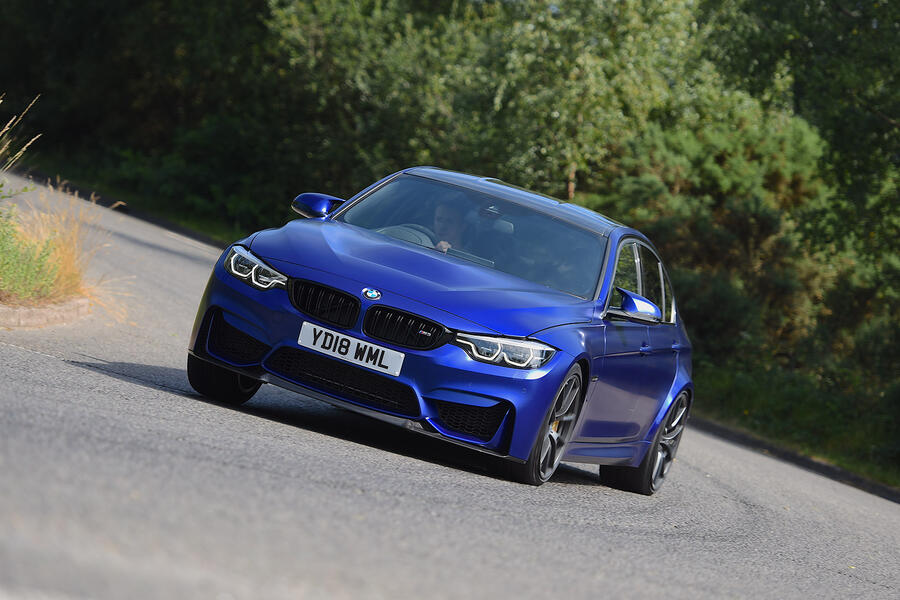
The E28 M5 simultaneously started the M5 dynasty which survives to this day and also inspired a renaissance of high performance sedans from other manufacturers. Each subsequent generation of M5 has gotten faster yes, but also softer: more sedan and less sport. In this video, Derek Tam-Scott explores the origins of the first ever M5, from the creation of BMW’s Motorsport division in the 1970s as a racing arm to run the CS, CSL and M1, to the debut of the first 5 series at the same time, the E12. He also drives the E28 M5 and discovers its dual personality. The average driver could use one of these cars for years without discovering that its limit behavior has a sporting purity that is engaging in a way that few modern cars achieve, sports or otherwise.
Εμφάνιση αναρτήσεων με ετικέτα BMW. Εμφάνιση όλων των αναρτήσεων
Πέμπτη 5 Μαΐου 2022
Παρασκευή 10 Δεκεμβρίου 2021
Πέμπτη 9 Δεκεμβρίου 2021
Πέμπτη 17 Ιουνίου 2021
Homologation Specials: 1972 BMW 3.0 CSL
In this episode of Homologation Specials, Alain de Cadenet spends an afternoon with BMW’s supremely beautiful bid for touring car supremacy in the 1970s, the 3.0 CSL. Conceived by a group of brilliant minds at Alpina and BMW Motorsport, the CSL more than measured up its task in the European Touring Car Championship, winning the manufacturers’ title in 1973, ’75, ’76, ’77, ’78, and ’79. Proving its endurance chops for good measure, it also won its class at Le Mans in 1973, and overall at the 1975 12 Hours of Sebring and the 1976 Daytona 24 Hours.
“Dominant” is an understatement of the car’s abilities on the race track, but the road-going versions of the CSL are revered by enthusiasts for their own merits. By starting with the pretty looking, but also pretty big and heavy E9 platform, BMW’s then newly formed racing department—BMW Motorsport, conceived by Bob Lutz and Jochen Neerpasch—had the task of removing as much weight as possible from the big coupe while keeping the car street legal. Using Alpina’s earlier work on E9-based racing cars in the late 1960s and early ‘70s, Neerpasch’s team of engineers and designers replaced the steel hood, trunk, and doors with aluminum, thinned the windshield and traded the rest of the greenhouse for Perspex, got rid of the carpets, ditched the chrome bumpers for fiberglass, and among other dieting techniques they even thinned the carpets and headliner.
Later iterations of the CSL added back some creature comforts, swapped carbs for injection, and included an option for a wild aero kit that earned such equipped cars the “Batmobile” nickname. For this film, Alain is driving one of the more civilized city pack-equipped British market CSLs—while not the lightest nor the most radical of the bunch, there is no such thing as a boring example of this car. The CSL’s massive success on the track and in pop culture laid the foundation for what we now call BMW M, and to this day it is arguably the division’s greatest accomplishment.
More films, articles, and photos: https://www.petrolicious.com
Τετάρτη 3 Μαρτίου 2021
Πέμπτη 25 Φεβρουαρίου 2021
Τετάρτη 10 Φεβρουαρίου 2021
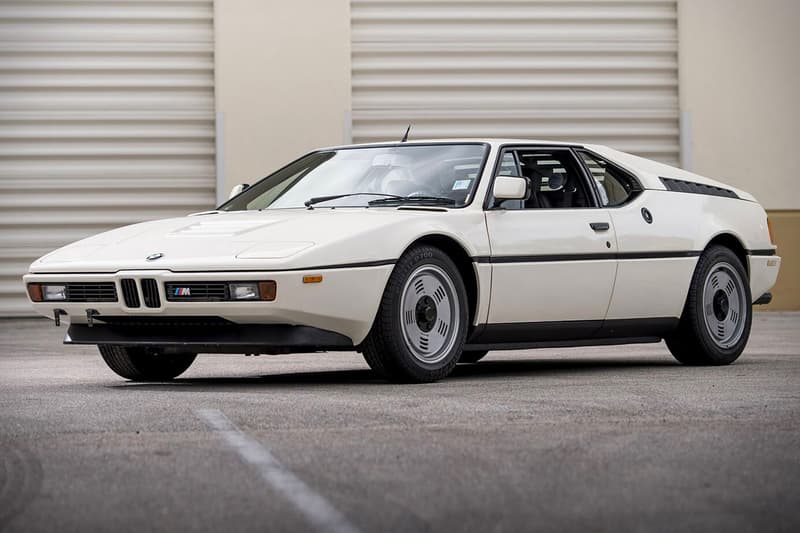
Homologation Specials: 1980 BMW M1
The scope of BMW’s competition history is a wide one. It includes victories at events as diverse as the Dakar Rally and the Mille Miglia, as well as the production of the most powerful engine Formula 1 has ever seen, to say nothing of the brand’s record in touring cars.
And in the very beginning, in 1972, long before the name change to BMW M, BMW Motorsport began translating some of its prowess for racing into production cars. Homologation specials like the E9 3.0 CSL and E30 M3 that supported championship-winning machines are rightfully praised, but none to date have been as ambitious or singular as the BMW M1.
Spurred by the success of the CSL and E21 3-Series racing programs in Europe and the United States in the 1970s, BMW Motorsport director Jochen Neerpasch decided to take a different and more direct approach to the next car to carry the tricolor stripes. Rather than using an existing road car model as a basis for the racing version, the M1 was designed for the track first and foremost. The car was unlike any BMW had ever built, and in order to do so, the Bavarians teamed up with the Italians to tap into their experience with mid-engine supercars. BMW partnered with Lamborghini to produce the cars at first, with Gian Paolo Dallara designing the chassis and Giorgetto Giugiaro in charge of styling. It was a gathering of great ingredients.
And in hindsight they produced a great car, but the delays and complications with the M1’s production in-period stunted its chances at reaching whatever potential it may have had in Group 4 and 5 sports car racing against the likes of Porsche, Ferrari, Lancia, Chevrolet, and the others that ended up defining the series in the late 1970s and early ‘80s. Neerpasch greatly salvaged the car’s racing reputation in the form of the one-make, two-season ProCar series, but no matter what happened on track, the road-going BMW M1 is a special car to drive, as our host Sam Hancock can surely attest after spending a day with one in the mountains in Germany.
More films, articles, and photos: https://www.petrolicious.com
Τετάρτη 18 Μαρτίου 2020
Πέμπτη 19 Δεκεμβρίου 2019
Τετάρτη 11 Δεκεμβρίου 2019
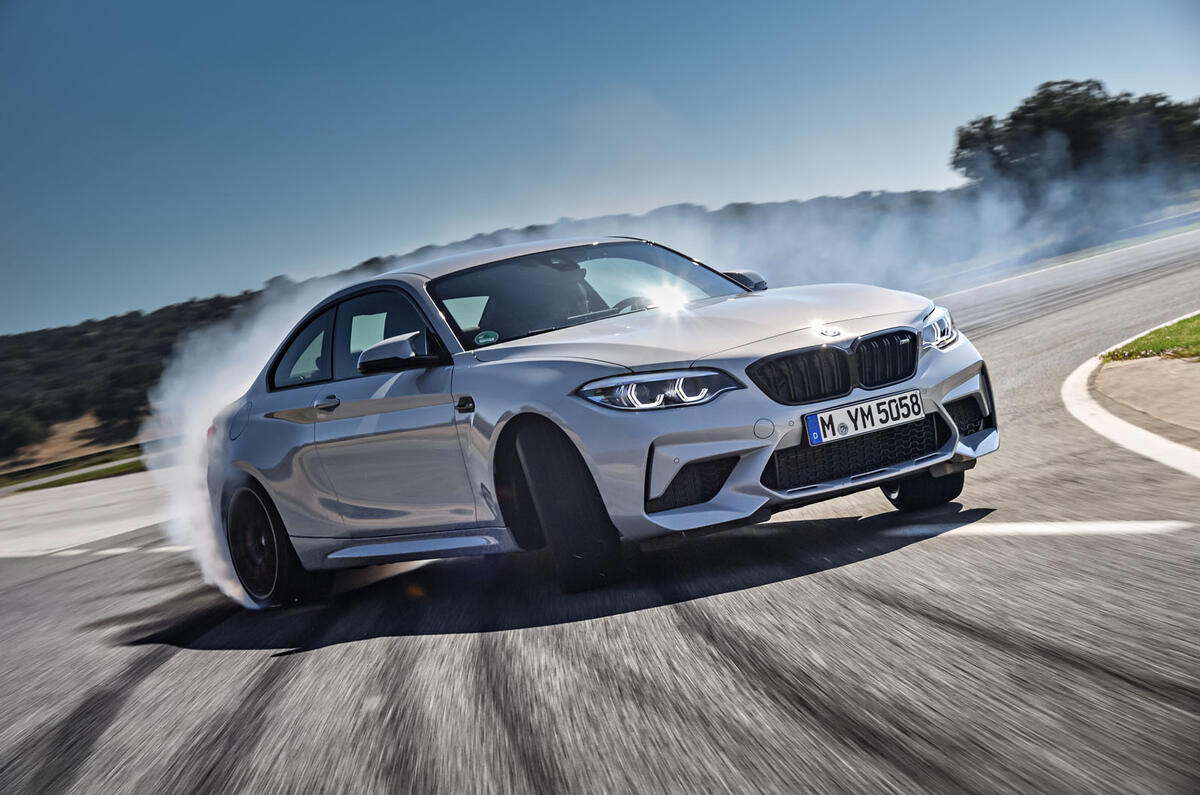
BMW M2 Competition | Hot Lap Hockenheim-GP | sport auto
Rundenzeiten Hockenheim GP: Lamborghini Huracán Evo: 1.49,0 min Porsche 718 Cayman GT4: 1.55,0 min BMW M2 CS: 1.55.8 min BMW M2 Competition (Semi): 1.57,6 min Audi TT RS Performance: 1.57.7 min Toyota GR Supra: 1.58,8 min BMW Z4 M40i: 1.59,5 min Porsche 718 Boxster T (PDK): 1.58,8 min Mercedes-AMG A45 S 4Matic +: 2.00,7 min

Τετάρτη 30 Οκτωβρίου 2019
Τρίτη 9 Ιουλίου 2019
Τρίτη 2 Ιουλίου 2019
Πέμπτη 13 Ιουνίου 2019
Τετάρτη 6 Φεβρουαρίου 2019
Δευτέρα 31 Δεκεμβρίου 2018
Τρίτη 11 Δεκεμβρίου 2018
Πέμπτη 8 Νοεμβρίου 2018
Τρίτη 23 Οκτωβρίου 2018
Τρίτη 16 Οκτωβρίου 2018
Εγγραφή σε:
Αναρτήσεις (Atom)